Cat Treat Gift Bag: A Designer's Take on Playful Packaging
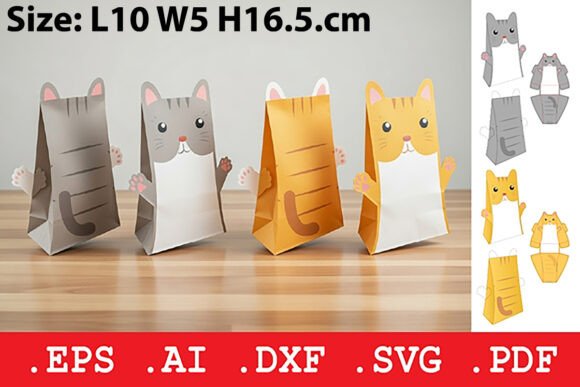
When I first pulled up the Cat Treat Gift Bag file on my screen, I wasn't looking at a standard embroidery pattern. As someone who spends hours tweaking stitch paths and testing densities, my initial reaction was curiosity mixed with a bit of caution. This isn't your typical flat machine embroidery design meant for a chest logo or a hat front. It is a 3D SVG template designed to assemble into a physical object—a paper bag shaped like a cat. For an embroidery professional, this shifts the conversation from "how does this stitch out?" to "how does this function as a finished product?"
The mood this design creates is undeniably whimsical. With its cute ears, tail, paws, and face details, it targets that sweet spot in the market where pet owners and gift-givers overlap. In my experience, designs that offer a playful unboxing experience often perform exceptionally well for small business owners and Etsy sellers looking to elevate their brand presentation. However, integrating embroidery into a packaging solution requires a different mindset than decorating apparel.
Bridging Digital Files and Physical Assembly
The core of the Cat Treat Gift Bag lies in its description as a fun packaging template optimized for 200-350 gsm cardstock. This weight specification is critical. If you are accustomed to working with cotton tees or polyester blends, you need to pause and consider the material interaction. Embroidering on heavy cardstock is a niche skill. The design itself, categorized under Objects and delivered as a 3D SVG, suggests a workflow that combines digital cutting or scoring with traditional stitching.
Imagine a real-life scenario: You run a boutique shop selling handmade cat treats or artisanal soaps. Your standard poly-mailer feels cheap and impersonal. You decide to use the Cat Treat Gift Bag to create a signature look. You would likely embroider the facial features—perhaps the whiskers and eyes—onto the cardstock before assembly. This adds a tactile, high-end feel that a printed inkjet label simply cannot match. The texture of the thread against the matte finish of the cardstock creates a visual contrast that screams "handmade product" and justifies a higher price point.
For apparel decorators, this design offers a unique pivot. While it is primarily a packaging tool, the aesthetic elements—the ears, the tail, the paw prints—can be extracted and adapted. You could use the face details as an applique design on a sweatshirt or a tote bag design for a matching merchandise line. This versatility makes the asset valuable beyond just the box it comes in. It becomes a suite of design assets for a cohesive brand identity.
Practical Considerations for Stitching and Construction
Before you commit to stitching this on your final stock, there are technical hurdles to clear. The description notes optimization for specific paper weights, but it does not provide exact stitch counts, hoop sizes, or machine compatibility details. This is a red flag for any professional who needs precision. My advice? Treat this as a prototype project first.
You must test the design on scrap fabric or, more accurately, scrap cardstock of the same GSM rating. Paper behaves differently than fabric; it doesn't have give. A dense fill stitch area might cause the paper to tear or warp, especially around the detailed corners of the cat's ears or paws. If the stitch density is too high, the needle perforations could weaken the structural integrity of the bag, causing it to collapse when filled with treats.
Consider the hoop size carefully. Since this is a 3D object that folds, you need to ensure your embroidery field accommodates the flat layout before assembly. If the design includes tiny lettering or intricate details near the fold lines, stitching there could make folding difficult or impossible. Always check if the design uses a running stitch for outlines, which is safer for paper, versus a thick satin stitch which adds bulk.
Market Fit and Customer Perception
Who buys this? The primary audience includes creative entrepreneurs, hobbyists, and makers who want to stand out. In the world of holiday embroidery, a custom-packaged gift holds significantly more perceived value. Imagine gifting a batch of homemade cookies in a standard box versus one that looks like a smiling cat with embroidered whiskers. The latter creates an emotional connection.
For commercial embroidery projects, consistency is key. If you plan to sell these as part of your small shop product line, you need to ensure every unit looks identical. Paper can vary slightly in thickness, affecting how the thread sits. You might need to adjust your tension or switch to a sharper needle specifically designed for non-woven materials or heavy paper. Using the proper stabilizer is also debatable here; sometimes, the stiffness of the 350 gsm card acts as its own stabilizer, while other times, a light backing prevents puckering during high-speed stitching.
Visual appeal is the main driver here. The Cat Treat Gift Bag enhances brand recognition. When a customer sees that distinct cat face, they associate it with your quality. This builds trust. However, be mindful of thread colors. On dark cardstock, you will need high-contrast threads to make the face details pop. On light stock, subtle tonal variations might get lost. I recommend creating black and white mockups first to check the clarity of the design elements before committing to colorful threads.
Final Verdict for the Professional Maker
The Cat Treat Gift Bag is a charming concept that bridges the gap between packaging and decoration. It is ideal for nursery decor gifts, party favors, or boutique branding where the unboxing experience is part of the product. However, it demands a careful approach. Do not assume it will stitch out perfectly on the first try without adjustments.
Key takeaways for using this design effectively:
- Test extensively: Always run a trial on the exact material you intend to sell.
- Check licensing: Confirm whether the license allows for commercial sale of the finished physical bags or if it is for personal use only.
- Mind the mechanics: Ensure stitching does not interfere with the folding tabs or structural glue points.
- Adaptability: Consider using the graphic elements for other products like embroidered patches or tea towels if the 3D assembly proves too complex for your current setup.
In conclusion, this design is less about the embroidery itself and more about the innovation of applying embroidery to packaging. For the forward-thinking Etsy seller or craft business owner, it represents an opportunity to create something memorable. Just remember, the devil is in the details—verify your file formats, respect the material limits, and let your creativity guide the final presentation. Whether it ends up on a custom apparel item or as a standalone gift container, the potential for a delightful customer reaction is high, provided the execution is handled with professional care.