Octopus 3D SVG: A Review for Shadow Boxes & Web
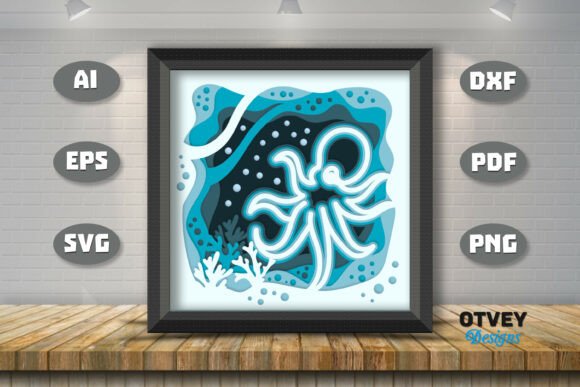
As a digital publisher who spends more time tweaking CSS and curating visual assets than actually writing drafts, I know that the difference between a bounce and a click often comes down to the first image a reader sees. When I recently pulled the Octopus in a Seabed Atmosphere 3D Layered file from my creative marketplace queue, my immediate reaction was one of relief. In an industry saturated with flat, generic icons, this graphic design asset offers a depth and texture that feels genuinely editorial. It is not just a clipart image; it is a mood setter that instantly elevates the perceived quality of a webpage.
The visual language here is distinct. It strikes a balance between playful curiosity and artistic sophistication. The layered nature of the design creates a sense of movement, mimicking the fluid environment of the ocean without becoming chaotic. For bloggers and content creators working in niches like marine biology, travel, lifestyle, or even educational resources for children, this asset provides an instant hook. It feels modern yet timeless, avoiding the trendy traps that make content look dated within six months. When placed against a clean background, the octopus commands attention, establishing a strong visual hierarchy that guides the eye naturally toward your headline.
Integrating Depth into Your Publishing Workflow
The true test of any design asset is its versatility across different publishing channels. I immediately envisioned how this 3D SVG could transform a standard blog post into a featured story. For website headers, the layered components allow you to separate the octopus from the seabed elements, giving you the flexibility to place text behind the foreground layers for a magazine-style effect. This technique is gold for editorial design, creating a professional look that suggests high production value.
Beyond the blog itself, this asset is a powerhouse for social media graphics. Imagine a Pinterest pin where the octopus appears to pop off the screen; the depth perception increases the likelihood of a stop-scroll moment. For newsletter creators, using this image as a header graphic can break the monotony of text-heavy emails, signaling to subscribers that the content inside is curated and visually engaging. It works exceptionally well for digital guides and eBook covers, where a strong central image is necessary to convey the theme of the download instantly.
For those of us managing affiliate marketing sites or selling digital products, branding consistency is key. This graphic supports small business branding by providing a unique visual anchor. Whether you are designing a Canva template for clients or creating a lead magnet for your own list, the cohesive style of the octopus and its atmosphere ensures that your brand identity remains sharp. It moves away from the sterile corporate look and invites the audience into a more immersive experience.
Technical Flexibility and File Formats
From a technical standpoint, the utility of this asset lies in its file diversity. When you purchase this digital download, you aren't locked into a single format. The package is comprehensive, providing the vector precision needed for scaling alongside raster files for quick web use. You will receive the core vector files, including AI, EPS, and SVG formats, which are essential for maintaining crisp lines on high-resolution retina displays. The inclusion of PDF and DXF files expands the utility for those who might be using cutting machines for physical merchandise or print-on-demand services.
For immediate web deployment, the included JPG and PNG files are invaluable. The PNG, specifically with its transparency, allows you to drop the octopus directly onto colored backgrounds or textured overlays without worrying about unsightly white boxes. This saves hours of editing time in Photoshop or Illustrator. Having access to both vector and raster formats means you can adapt the asset for everything from a massive website banner to a tiny favicon, ensuring your visual identity scales perfectly across all devices.
Strategic Placement and Performance Considerations
While the aesthetic appeal is high, strategic placement is crucial for maximizing content performance. This asset shines brightest in hero images, article thumbnails, and category visuals where it has room to breathe. It is ideal for content upgrades and downloadable resources where the cover art needs to promise value. However, caution is advised when using it in small mobile thumbnails or extremely busy layouts. The intricate details of the seabed atmosphere might get lost if the image is compressed too heavily or displayed at a very small size.
Furthermore, consider the tone of your specific niche. While this design is versatile, it leans towards creative, educational, and lifestyle sectors. It might feel out of place on a strictly corporate financial report or a minimalist news site that demands absolute austerity. In those contexts, the playful nature of the octopus could undermine the seriousness of the content. Always preview the asset within your actual blog layout before finalizing the design.
Optimization Tips for Publishers
To get the most out of the Octopus in a Seabed Atmosphere 3D Layered file, I recommend a few practical steps. First, test the image on both desktop and mobile screens. What looks balanced on a wide monitor might crowd the text on a smartphone. Check the contrast levels, especially if you plan to overlay white text; you may need to add a subtle gradient overlay to ensure readability. Experiment with typography pairings—this illustration pairs beautifully with both bold sans-serif fonts for a modern look and elegant serif fonts for a more classic editorial feel.
Performance is also a factor. Even though SVGs are lightweight, if you are using the high-res PNGs, ensure they are properly compressed for web use to avoid slowing down your page load times. Finally, always review the commercial license terms. Since many of us use these assets for monetized websites, affiliate pages, or paid digital products, confirming that you have the right to use the design commercially is a non-negotiable step in the workflow.
In conclusion, this graphic design asset is more than just an image; it is a tool for enhancing reader trust and engagement. By adding a layer of professional polish to your content marketing efforts, the Octopus in a Seabed Atmosphere 3D Layered helps bridge the gap between amateur blogging and professional publishing. It is a worthy addition to any designer's library who values quality, depth, and visual storytelling.