Phone Cover Pattern: 3D SVG for Lifestyle And Hobbies
As a brand designer who spends most of my week refining visual identities for local boutiques and handmade businesses, I approach every new graphic design asset with a critical eye. It is not enough for a file to look pretty on a screen; it must hold up under the scrutiny of physical production, digital marketing, and real-world customer interaction. Recently, I evaluated the Phone Cover Pattern, a resource categorized under Lifestyle And Hobbies, specifically to see how it could elevate a small business project I am currently managing for a local artisan leather goods shop.
My first impression of this 3D SVG file was one of structured versatility. Unlike flat clipart that often feels disconnected from modern brand identity standards, this pattern offers depth and texture that suggests a premium, tactile quality. The mood it creates is distinctly crafted and intentional, leaning towards a personality that is both modern and rooted in traditional handiwork. For a local business owner, this specific aesthetic is gold. It bridges the gap between digital presentation and physical reality, making it an ideal fit for brands that want to communicate durability, style, and care.
Elevating Local Branding Through Strategic Application
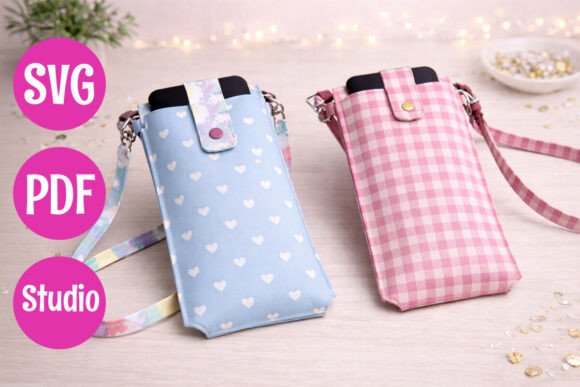
In the context of small business branding, the utility of the Phone Cover Pattern extends far beyond its literal description. While the original concept invites you to 📱 create a stylish and protective accessory with this phone case template designed for felt and faux leather projects, my evaluation focused on how this geometry can be repurposed for broader commercial design applications. For the leather shop I am consulting for, we are not just making phone cases; we are building a cohesive world around their products.
We identified several high-impact areas where this asset strengthens the brand presence:
- Packaging Design: Using the pattern as a subtle background texture on box interiors or wrapping paper adds a layer of luxury without overwhelming the unboxing experience.
- Product Labels: When scaled down, the geometric elements serve as excellent borders or corner accents for product tags, guiding the eye toward the logo and price.
- Social Media Graphics: The clean lines work beautifully as overlays for Instagram stories or Facebook ads, providing a consistent visual frame for product photography.
- Printable Inserts: Thank-you cards and care instruction sheets benefit from the pattern as a watermark, reinforcing brand recognition after the purchase is made.
- Website Banners: The vector nature of the file ensures it scales perfectly for hero graphics on e-commerce sites, maintaining crisp edges on high-resolution displays.
The goal here is to create a stronger first impression and better product recognition. By consistently applying this motif across touchpoints—from the product mockup on the website to the physical hang tag in the customer's hand—we establish a clearer visual hierarchy. This consistency builds customer trust, signaling that the business is professional, established, and attentive to detail.
Where This Asset Shines in Real Projects
The Phone Cover Pattern works best when treated as a supportive element rather than the sole protagonist of a design. In my review, I found it particularly effective for packaging accents and decorative brand elements. For instance, using it to create a custom pattern for a seasonal campaign allows a local business to refresh its look without undergoing a full rebrand. It is also exceptional for boutique visuals where the atmosphere needs to feel curated and exclusive.
For handmade business owners, this type of SVG design is invaluable for creating unique marketing visuals that stand out against generic stock photography. Whether used on a menu graphic for a cafe with a rustic vibe or as a textural element on a candle label, the pattern adds a layer of sophistication. It supports a narrative of quality and craftsmanship, which is essential for justifying premium pricing in a competitive market.
Critical Considerations for Professional Use
However, no design asset is universal, and experienced designers know where to draw the line. There are specific scenarios where the Phone Cover Pattern should be used with caution. I would advise against using it in formal corporate branding where minimalism and stark clarity are paramount. Similarly, it is not suitable for very small labels where the intricate details of the 3D SVG might blur or disappear during printing.
Care must also be taken when dealing with ingredient-heavy layouts or legal information areas. The pattern should never compete with important text or reduce readability. If placed on low-contrast backgrounds, the subtle depth of the design may be lost, rendering it ineffective. Furthermore, for luxury minimalist brands that rely on vast amounts of white space, this pattern might feel too decorative and distract from the core message.
Practical Notes for the Working Designer
Before integrating this asset into a client project or a digital product line, I recommend a rigorous testing phase. Here are my practical notes for ensuring the best results:
- Test on Real Mockups: Always preview the pattern on actual product mockup files to see how light and shadow interact with the design.
- Check Monochrome Usage: Verify how the pattern looks in black and white to ensure it remains effective for faxed documents or single-color print runs.
- Scale Testing: Preview the design on small labels to confirm that the vector paths remain sharp and do not create visual noise.
- Color Integration: Test the pattern with your specific brand colors to ensure harmony; sometimes the default shading in a 3D SVG needs adjustment to match a flat brand palette.
- Typography Pairing: Experiment with pairing the pattern beside serif fonts for elegance, sans serif fonts for modernity, or script fonts for a personal touch. Ensure the font weight balances the visual weight of the pattern.
- Licensing Verification: Always confirm the commercial license terms before using the asset for client work or physical product sales to avoid legal issues.
Ultimately, the Phone Cover Pattern is a robust tool in the arsenal of design assets available on the creative marketplace. When used with intention and strategic foresight, it transforms from a simple template into a cornerstone of professional branding. For local entrepreneurs and creative marketers, leveraging such resources correctly can mean the difference between a forgettable product and a memorable brand experience.