Review: Layered Mandala Shadow Box SVG for Embroidery
As a designer who spends more time staring at stitch maps than most people care to admit, I approach every new machine embroidery design with a mix of excitement and skepticism. When I first pulled up the Layered Mandala Shadow Box SVG, my initial reaction was one of visual intrigue. The concept of blending a cozy coffee cup motif with an intricate mandala pattern creates a specific mood—it feels warm, inviting, and perfectly suited for the "slow living" aesthetic that is currently dominating social media and boutique shelves. However, looking at a digital preview is vastly different from seeing how a design behaves under the needle on actual fabric.
This review isn't just about whether the file looks pretty on a screen; it is about determining if this digital embroidery file holds up when you are trying to create a high-quality handmade product for a paying customer or a cherished personalized gift. I evaluated this asset specifically through the lens of an embroiderer who needs reliability, clarity, and versatility in their design assets.
Visual Personality and Design Layout
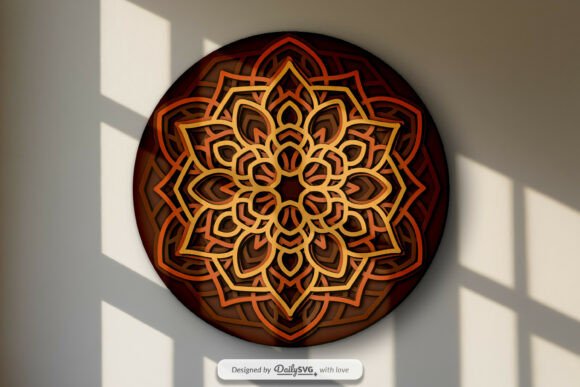
The first thing that stands out about the Layered Mandala Shadow Box SVG is its structural balance. While the product description highlights its origin as a template for laser cutting and Shadow Boxes, the underlying geometry translates surprisingly well to flat embroidery applications. The central coffee cup acts as a strong focal point, grounding the swirling complexity of the surrounding mandala. This layout prevents the design from feeling chaotic, which is a common pitfall with intricate radial patterns.
In terms of visual personality, this design screams "comfort." It is not aggressive or overly modern; instead, it leans into a rustic, artisanal vibe. For an Etsy seller or a small shop product creator, this is gold. It fits naturally into collections featuring home decor, café culture, or mindfulness themes. The level of detail suggests a design that rewards close inspection, making it ideal for items where the viewer has time to appreciate the craftsmanship, such as a wall hanging or a decorative pillow.
Real-World Application: The Tote Bag Test
To truly gauge the potential of this embroidery project, I imagined a specific real-life scenario: creating a limited run of custom tote bags for a local coffee shop's loyalty program. The goal was to produce a tote bag design that felt premium but durable enough for daily use.
If I were to digitize or adapt this Layered Mandala Shadow Box SVG for such a project, the results would likely be stunning on a heavy canvas or twill fabric. The interplay between the solid shapes of the cup and the fine lines of the mandala would add texture without overwhelming the bag's surface. For a finished product intended for sale, this design adds perceived value. Customers are willing to pay more for items that look complex and thoughtful, and this motif delivers that impression effortlessly.
Beyond tote bags, I can see this working beautifully as sweatshirt embroidery on the back of a oversized crewneck, or perhaps scaled down for a pocket placement on a denim jacket. The theme also lends itself well to holiday embroidery gifts, particularly for teachers or baristas during the winter season. Even as an embroidered patch, provided the density is managed correctly, the bold outlines of the cup would ensure the design remains legible even at smaller sizes.
Technical Considerations and Fabric Challenges
While the aesthetic appeal is high, practical execution requires caution. Because this file is originally marketed as a 3D SVG for layering, an embroiderer must be mindful of how those layers translate to thread. If you are using this as a reference for digitizing or adapting an existing file, you need to pay close attention to stitch density.
Intricate mandalas often suffer when stitched on textured fabrics like terry cloth or thick fleece. The tiny details can get lost in the pile of the fabric. Similarly, if you attempt this on a stretchy knit without a robust stabilizer, the tension might cause the fine lines of the mandala to pucker or distort. I strongly advise testing the design on scrap fabric that matches your final material before committing to a production run.
There are also limitations regarding hoop size. A full-scale rendition of this design likely requires a large hoop. If you are working with a standard 4x4 machine, you may need to scale the design down significantly. When shrinking complex designs, tiny corners and sharp points can become problematic, potentially leading to thread breaks or poor coverage. Always inspect small details in your software before stitching.
Color Strategy and Contrast
The success of the Layered Mandala Shadow Box SVG heavily relies on your choice of thread colors. Since the design features a combination of a solid object (the cup) and open, lacy elements (the mandala), contrast is key. Stitching this on a dark fabric with light thread can create a striking, high-contrast look, but be wary of "grin-through" where the fabric shows between stitches if the density isn't high enough.
Conversely, a monochromatic approach—using varying shades of a single color family—can emphasize the texture and depth of the mandala without relying on color pops. This technique works exceptionally well for custom apparel aimed at a minimalist audience. Before finalizing your palette, I recommend creating black and white mockups to ensure the separation between the cup and the background pattern is distinct enough to be readable.
Commercial Viability and Brand Consistency
For craft business owners, consistency is everything. Using a design like this can help establish a recognizable brand style if used repeatedly across different products. Whether it's appearing on an apron, a tea towel, or a nursery decor item, the consistent use of this motif builds brand recognition. However, buyer engagement depends on the quality of the finished product. A sloppy stitch job on such a detailed design will immediately erode customer trust.
It is crucial to verify the licensing terms before selling items made with this design. While many files allow for commercial use of physical goods, restrictions often apply to reselling the digital file itself. Always confirm whether the license covers commercial embroidery projects and if there are limits on the number of units you can produce.
Final Designer Notes
Before diving into your next embroidery project with the Layered Mandala Shadow Box SVG, keep these practical steps in mind:
- Test First: Always stitch a sample on scrap fabric to check tension and density.
- Check Specifications: Since exact stitch counts and compatible formats aren't always listed in brief descriptions, verify the file type matches your machine.
- Stabilizer Matters: Use a cut-away stabilizer for garments that will be washed frequently to prevent distortion over time.
- Lighting: View your test stitch-out under natural light to catch any skipped stitches or color mismatches.
- Scaling: Ensure that scaling the design does not compromise the integrity of the fine mandala lines.
In conclusion, the Layered Mandala Shadow Box SVG offers a rich visual narrative that, when handled with technical care, can elevate a simple piece of fabric into a desirable handmade product. It bridges the gap between digital precision and tactile warmth, making it a valuable addition to any designer's library who specializes in cozy, lifestyle-oriented goods.