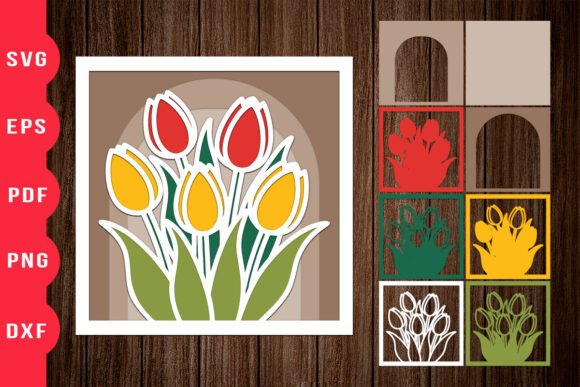
Tulip 3D Shadow Box Paper Art: A 3D SVG Review
As a brand designer and content marketer, my first interaction with a new graphic design asset is always critical. I am not just looking for pretty pixels; I am evaluating whether this element can carry the weight of a brand story, elevate a marketing campaign, and resonate with a specific target audience. When I opened the files for the Tulip 3D Shadow Box Paper Art, the immediate impression was one of delicate sophistication. This is not a loud, aggressive graphic; it is a soft, inviting visual that speaks to elegance and craftsmanship. For brands operating in the lifestyle, wellness, or handmade sectors, this kind of mood is invaluable. It suggests a premium touch without feeling overly corporate or sterile.
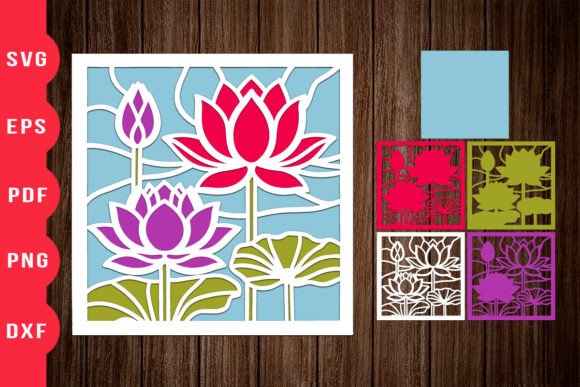
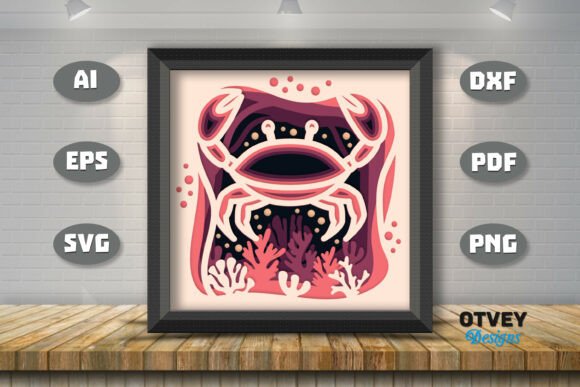
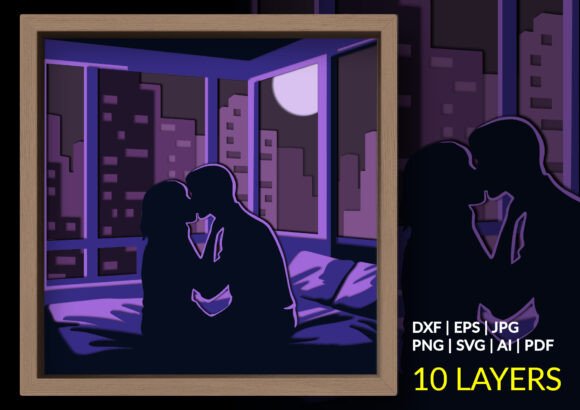
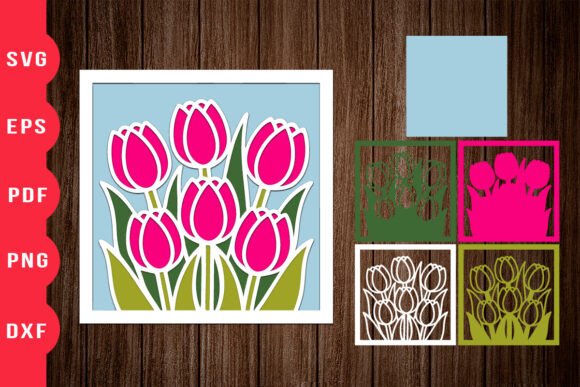
In the context of a real-world marketing project, imagine a small business launching a spring collection of artisanal soaps or a boutique florist promoting a seasonal workshop. The goal is to create visuals that feel tactile and warm, bridging the gap between digital screens and physical products. Tulip 3D Shadow Box Paper Art fits this workflow seamlessly. Because it is delivered as a 3D SVG, the scalability is perfect for everything from massive trade show banners to tiny product labels. The layered nature of the design mimics the depth of physical Shadow Boxes, offering a unique textural quality that flat illustrations often lack.
Elevating Brand Identity Through Textural Depth
The primary strength of this asset lies in its ability to enhance brand identity through visual hierarchy. In a crowded social media feed, users scroll past generic stock photos instantly. However, an image featuring the intricate layers of this tulip design stops the eye. It creates a moment of pause, which is the first step toward engagement. When used in logo design or as a secondary mark for a brand, it adds a layer of perceived value. It tells the audience that the brand cares about details, aesthetics, and quality.
For packaging design and product labels, this asset is a game-changer. If you are selling a digital product like an ebook on gardening or a printable design for home décor, using this tulip motif on the cover mockup instantly contextualizes the offer. It transforms a simple PDF into a desirable object. Similarly, for physical goods, printing this design on textured paper stock for packaging inserts can create an unboxing experience that feels luxurious. The "soft and elegant spring touch" mentioned in the product description is not just marketing fluff; it is a tangible emotional tone that transfers to the consumer.
Strategic Applications Across Marketing Channels
To maximize the return on investment for this design bundle, it must be deployed strategically across various channels. Here is how Tulip 3D Shadow Box Paper Art performs in specific marketing scenarios:
- Social Media Graphics: Use the layers to create animated posts for Instagram Stories or Reels. The separation of elements allows for subtle parallax effects that look highly professional.
- Pinterest Pins: Vertical compositions featuring this illustration perform exceptionally well for lifestyle and DIY niches, driving traffic to blog posts or product pages.
- Email Banners: Placing the tulip as a header element in a newsletter adds a seasonal freshness that increases open rates during spring campaigns.
- Web Design: Incorporate the SVG into website headers or hero sections to break up white space without adding visual clutter.
- Editorial Design: For bloggers and publishers, this asset works beautifully as a drop cap or a section divider in long-form content, improving readability and aesthetic flow.
The versatility of this SVG design means it can adapt to both Canva template workflows for quick social updates and complex Adobe Illustrator projects for high-end commercial design. Whether you are a solo entrepreneur or managing a team, the file format ensures that the edges remain crisp regardless of the output size.
Building Audience Trust and Emotional Connection
Marketing is ultimately about trust. When a brand presents itself with cohesive, high-quality marketing visuals, it signals reliability. The Tulip 3D Shadow Box Paper Art supports this by providing a consistent visual thread. If you use this motif across your digital ads, landing pages, and media kits, you create a recognizable brand language. This consistency fosters audience trust. Customers begin to associate the specific style of the tulip with your brand's promise of quality.
Furthermore, the emotional connection forged by floral imagery is powerful. Flowers universally symbolize growth, beauty, and renewal. By integrating this asset into your content marketing, you tap into these positive associations. It makes the brand feel approachable and human, which is essential for small business branding where personal connection is often the unique selling proposition.
Limitations and Designer Notes for Professional Use
While this asset is robust, a professional designer knows that no single element works everywhere. There are specific contexts where Tulip 3D Shadow Box Paper Art should be used with caution. For instance, in formal corporate branding for finance or legal sectors, the whimsical and organic nature of the tulip might clash with the need for stark authority. Additionally, in dense information layouts or text-heavy ads, the intricate layers of the shadow box effect could compete with the copy, reducing readability.
When scaling down for small mobile graphics, ensure that the finest details of the 3D SVG do not blur or disappear. It is crucial to test the design at various sizes to maintain clarity. Also, be mindful of low-contrast backgrounds; the soft colors typical of spring themes may get lost against pastel backdrops unless a drop shadow or border is added.
Here are my practical notes for integrating this into your workflow:
- Color Palette Testing: Always test the asset against your specific brand colors. While the default spring tones are lovely, recoloring the SVG to match your brand hex codes ensures visual consistency.
- Typography Pairing: This illustration pairs beautifully with serif fonts for an editorial look, script fonts for a feminine touch, and clean sans serif fonts for a modern contrast. Avoid overly decorative display fonts that might fight with the detailed tulip.
- Mockup Integration: Place the design inside real campaign mockups before finalizing. See how it looks on a mug, a tote bag, or a phone screen to gauge its real-world impact.
- Licensing Verification: Before using this in paid campaigns or client work, confirm the commercial license terms. Ensure you have the rights for unlimited impressions if running large-scale digital ads.
- Competitor Analysis: Compare your final designs against competitor visuals. Ensure your use of this clipart or illustration offers a unique angle rather than blending into the noise.
In conclusion, Tulip 3D Shadow Box Paper Art is more than just a decorative element; it is a strategic tool for professional branding. Its ability to convey elegance, support modern design trends, and adapt across various design assets makes it a valuable addition to any creative entrepreneur's toolkit. Whether you are refreshing your social media visuals or launching a new product line, this asset provides the artistic foundation needed to create memorable, high-converting campaign visuals.